1. Introduction: Why Glass Cat Eyes Refector Are Indispensable for Road Safety
Have you ever driven at night on a dark, unlit road and struggled to see lane edges or curves? Rainy or foggy conditions make this even worse, increasing the risk of accidents. Glass cat eyes reflector solve this problem by acting as reliable, long-lasting “road guides” that reflect car headlights back to drivers.
In traffic safety facilities, glass cat eyes reflector are widely used in road studs, speed bumps, lane edges, parking lots, and other roadway applications. Compared with ordinary plastic reflectors, glass cat eyes reflector provide brighter and more stable reflective performance at night, helping drivers identify road boundaries earlier even in rainy, foggy, or high-speed driving conditions.
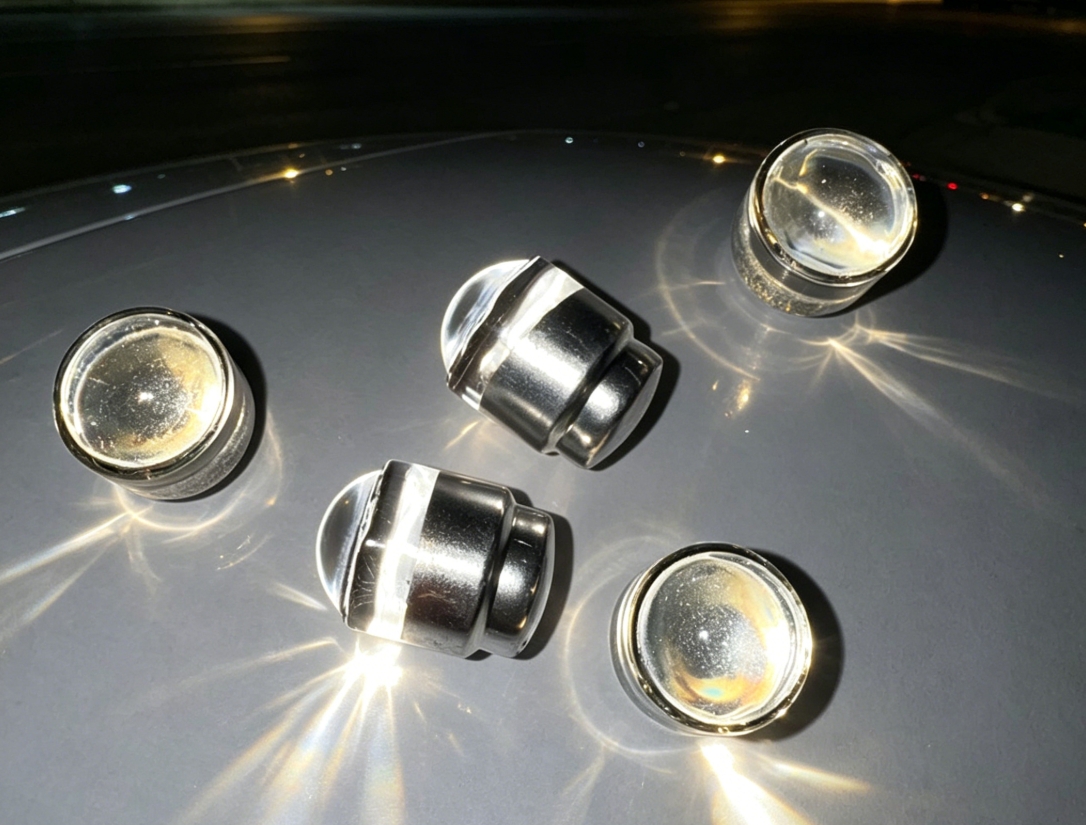
2. A Quick History & Simple Working Principle
Glass cat eyes reflector trace back to 1934, when Percy Shaw invented the first road “cat’s eye” inspired by how real cats’ eyes reflect light. By the 1960s, glass microbeads revolutionized the design, and modern full-directional reflection technology has made them even more effective today.
Today, many road reflective products are designed and tested according to standards such as EN1463, which evaluate brightness, compressive strength, and long-term durability.
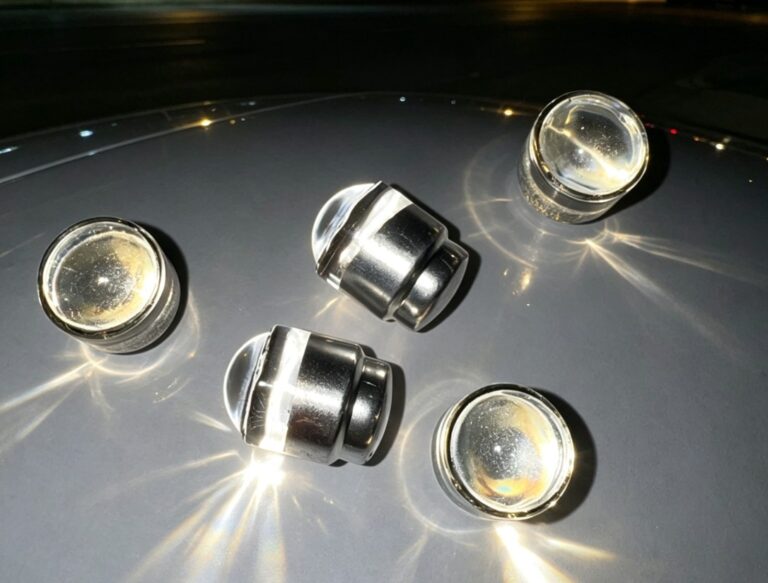
Most glass cat eyes reflector on the market are made from tempered glass. Their internal structure is designed to reflect vehicle headlights back toward the driver. This working principle is similar to “returning light to the light source,” which is why glass cat eyes appear especially bright at night. Compared with standard plastic reflectors, glass materials are more wear-resistant, less likely to age, and generally have a longer service life under heavy traffic conditions.
In addition to being used in road studs, glass cat eyes reflector are now commonly installed on speed bumps. The reason is simple: speed bumps are often difficult to see at night, especially black rubber speed bumps. After adding high-brightness glass cat eyes, drivers can recognize the slowing zone from a longer distance, allowing them to reduce speed earlier and helping lower the risk of sudden braking and accidents.
3.Product Features (10*13mm / 13*18mm Glass Cat Eyes Reflector)
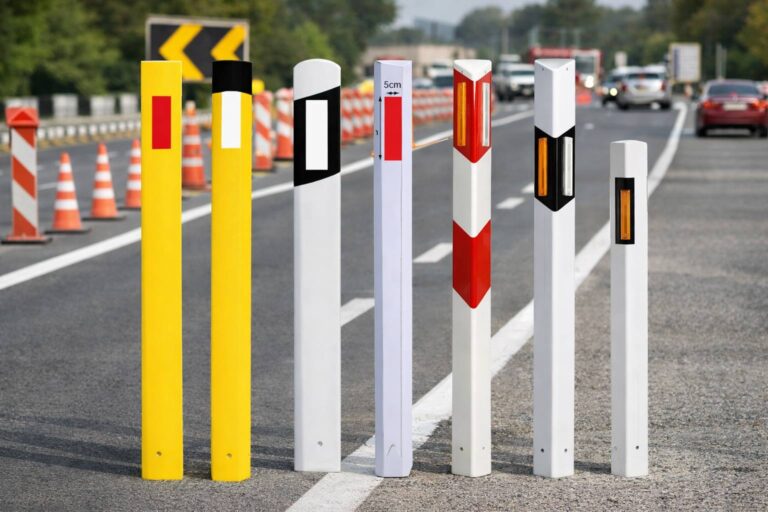
These two sizes of glass cat eyes reflector are high-performance, cost-effective core reflectors tailored for road safety products. They are widely compatible with road studs, speed bumps, anti-collision columns, delineators, and more, offering the following key advantages:
1 Dual Size Options for Full Scenario Coverage
Available in 10*13mm and 13*18mm to meet diverse construction needs:
- 10*13mm: Compact size, ideal for mini road studs, bike lane markers, sidewalk indicators, and small delineators.
- 13*18mm: Larger reflective surface with enhanced visibility, perfect for highway road studs, speed bumps, guardrail reflectors, and tunnel delineators.
2 Multi-Color Selection for Targeted Functions
Offered in red, yellow, green, blue, and white, each color is optimized for specific road safety purposes:
- Yellow/Amber: Excellent fog and rain penetration, ideal for rainy/foggy regions, curves, and ramps.
- White: Highest reflectivity, suitable for straight roads, sidewalks, and general urban streets.
- Red/Blue: High-visibility warning colors, perfect for accident blackspots, construction zones, and restricted areas.
- Green: Used for entrances/exits and directional signs to guide traffic and pedestrians clearly.
3 High Reflectivity for Reliable Nighttime Safety
Made of high-transmission optical glass with a high-reflective coating, these cat eyes use retro-reflective technology to bounce headlight light directly back to drivers. They deliver clear visibility from over 150 meters away, with stable performance even in heavy rain or fog, significantly reducing accident risks.
4 Durable Construction for Harsh Outdoor Environments
The glass body is hard, wear-resistant, and UV-stabilized, resisting yellowing and scratching from years of sunlight, rain, and traffic—far outlasting plastic reflectors. The metal base ensures a secure fit, and compatibility with epoxy resin adhesives prevents loosening under heavy loads.
5 Universal Compatibility with Road Safety Products
Standardized dimensions fit seamlessly into most road studs, speed bumps, guardrails, delineators, and anti-collision posts. No custom tooling is required, lowering production and installation costs while serving as a versatile core reflector for road safety facilities.
4 Frequently Asked Questions (FAQ)
Q1: Which applications are the 10*13mm and 13*18mm sizes best suited for?
A:
- 10*13mm: Compact form factor makes it ideal for mini road studs, bike lane markers, sidewalk signs, small delineators, and anti-collision posts with limited space.
- 13*18mm: Larger reflective surface delivers brighter visibility, making it perfect for highway/main road studs, large speed bumps, guardrail reflectors, and tunnel delineators where long-distance visibility is critical.
Q2: What are the functional differences between the colors?
A: The key distinctions lie in light penetration and safety signaling:
- White: Highest reflectivity, ideal for general straight roads and sidewalks to define road edges clearly.
- Yellow: Best fog/rain penetration, perfect for wet/foggy regions, curves, and mountain roads to boost visibility in poor weather.
- Red/Blue: High-impact warning colors, commonly used in accident blackspots, construction zones, and restricted areas to attract immediate driver attention.
- Green: Used for entrances, exits, and directional signs to guide traffic and pedestrians with clear, intuitive signaling.
Q3: How do glass cat eyes compare to plastic reflectors?
A: Glass cat eyes outperform plastic reflectors in two critical areas:
- Durability & Stability: Glass resists scratches, UV damage, and fading, maintaining consistent reflectivity for 3–5 years, while plastic typically degrades and loses brightness in 1–2 years.
- Visibility: Glass offers superior retro-reflective efficiency, especially in rain and fog, allowing drivers to spot hazards earlier for safer driving.
Q4: How are these glass cat eyes installed? Will they fall off easily?
A: Installation is straightforward: For road studs/speed bumps, simply insert the cat eye into the pre-cut recess and secure it with epoxy resin adhesive. For standalone use, clean the road surface thoroughly before applying specialized road adhesive and pressing the cat eye in place. When installed correctly per standard procedures, they withstand heavy traffic and remain firmly fixed.
Q5: Can they be used in cold, rainy, or snowy conditions?
A: Yes. The glass and metal base are temperature-resistant, operating reliably from -40°C to 80°C. The smooth glass surface also resists snow and water buildup, ensuring consistent reflectivity even in harsh northern winters or rainy southern climates.
Q6: What is the reflectivity rating and visibility range of these cat eyes?
A: Reflectivity ranges from 300–500 mcd/lx depending on size and color, with a nighttime visibility range of over 150 meters. The larger 13*18mm yellow and white models offer the longest visibility, meeting international road safety standards for reflective markers.